
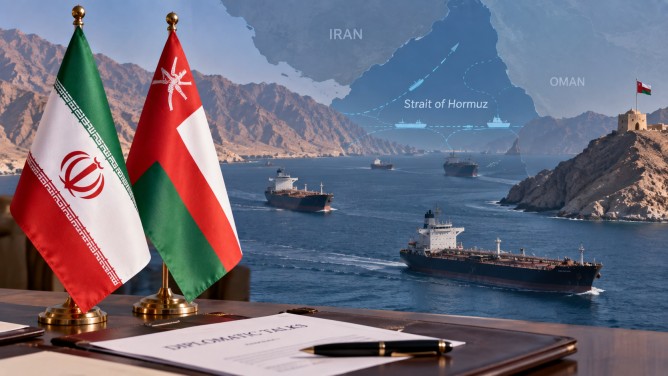
The anticipated meeting between Iran, Oman, and other Gulf nations to discuss new shipping arrangements through the Strait of Hormuz has been postponed, with no new date yet determined. Originally set to occur in Muscat, the gathering was expected to address regional security concerns and evaluate a proposal by Iran and Oman for managing commercial shipping through this crucial maritime corridor.
According to Oman’s Foreign Minister Badr Albusaidi, the delay aims to achieve broader consensus. Iran confirmed that the decision was mutual with Oman, following requests from several regional countries. This development follows an incident where an Iranian commercial vessel was reportedly struck near Qeshm Island, resulting in one fatality and injuries to four crew members. Iranian state media reported that the vessel was hit by a projectile while navigating the Strait of Hormuz, sparking a fire and necessitating crew evacuation.
Previously, Iran and Oman had discussed alternative shipping routes through the Strait of Hormuz. The proposed plan would have vessels entering the Persian Gulf traveling through Iranian waters, while those exiting would use both Iranian and Omani waters. Nonetheless, Iran has underscored that any reopening of the Strait is contingent upon meeting its conditions, with Tehran suggesting it might impose fees on vessels utilizing the proposed routes.
Commercial traffic through the strait remains significantly curtailed, posing a considerable concern for global energy markets due to its importance as a major oil shipment route. The postponement coincides with broader diplomatic tensions in the Gulf. Notably, Saudi Arabia has reportedly called for modifications to the Iran-Oman proposal, while Bahrain has declared it will not partake in the meeting.
The current uncertainty surrounding the Strait of Hormuz has contributed to a surge in oil prices. The situation is exacerbated by Saudi Arabia’s ongoing shutdown of its 1,200-kilometer East-West oil pipeline following drone attacks, limiting an alternative route for crude deliveries to the Red Sea. This prolonged pipeline closure threatens a significant portion of global oil supplies, further compounding the disruptions caused by diminished shipping through the strait. As a result of these regional tensions, Brent crude prices have already surged past $100 per barrel.