
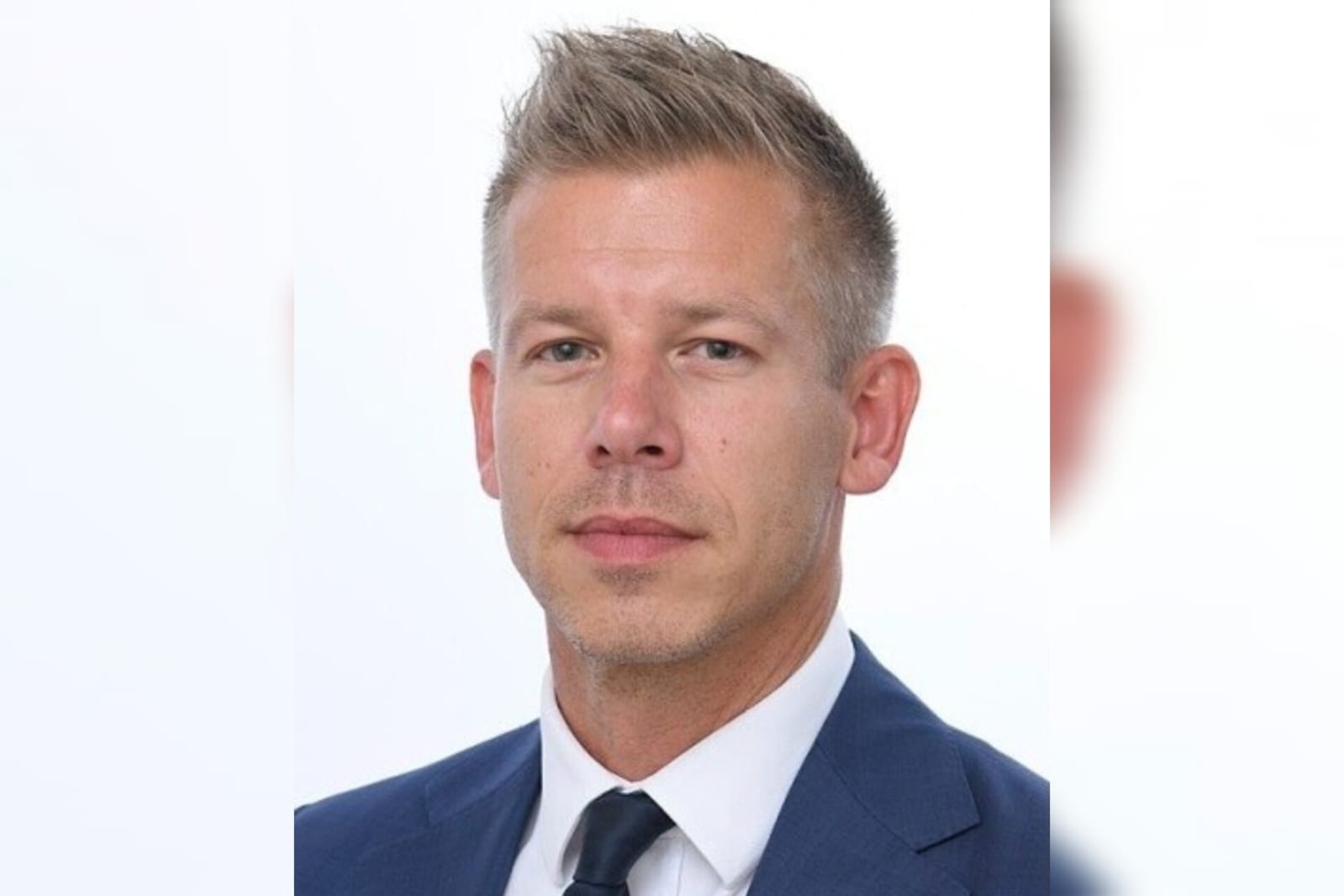
Péter Magyar, the victor in Hungary’s recent election, is looking to establish a “special relationship” with Poland’s Prime Minister Donald Tusk, hoping to glean insights from Poland’s experience in mending ties with the European Union post-years of illiberal governance. Both nations, since 1989, have walked parallel paths, but now, under the leadership of these center-right, pro-European figures, they are tasked with the challenge of restoring democratic norms and strengthening state institutions. On election night, Tusk, speaking from Korea, congratulated Magyar, expressing immense joy at the outcome. The following day, Tusk remarked on the shifting political landscape in Eastern Europe, emphasizing the region’s potential to break free from corrupt and authoritarian regimes.
Magyar, in turn, expressed his appreciation for the support and outlined plans for his first international trip to Warsaw. He also addressed the issue of two former Polish ministers residing in Budapest, wanted for alleged abuses of power, advising them against settling in for the long term. As Hungary prepares for Magyar’s swearing-in on May 9th, coinciding with Europe’s “Europe Day,” his leadership promises to reintegrate Budapest into mainstream European politics. His upcoming role at the European Council will see him working closely with Tusk, who brings a wealth of experience to the table.
Early talks between EU officials and Magyar’s incoming administration have already commenced, with Brussels eager to see Hungary lift its block on a significant loan to Ukraine and endorse new sanctions against Russia. These actions are seen as initial signals of Hungary’s political realignment. Simultaneously, the country will be expected to fulfill several conditions concerning its institutional reforms, judiciary, and anti-corruption measures. Drawing from Poland’s recent successes in reversing illiberal policies and unlocking frozen EU funds, Hungarian and Polish officials are actively discussing applicable strategies.
Magyar’s decisive electoral victory and a commanding parliamentary majority present a smoother path for implementing changes compared to Poland, where opposition vetoes posed challenges. However, significant work remains, including addressing the legacy of Viktor Orbán’s rule. Magyar has already urged a close ally of Orbán’s to step down, signaling a desire for a symbolic break from the past. His commitment to joining the European Public Prosecutor’s Office and investigating past corruption is a key component of his reform agenda. As Poland’s former justice minister, Adam Bodnar, noted, preparatory discussions often precede the formal swearing-in of a new government, highlighting the urgency and importance of Magyar’s reform plans.