
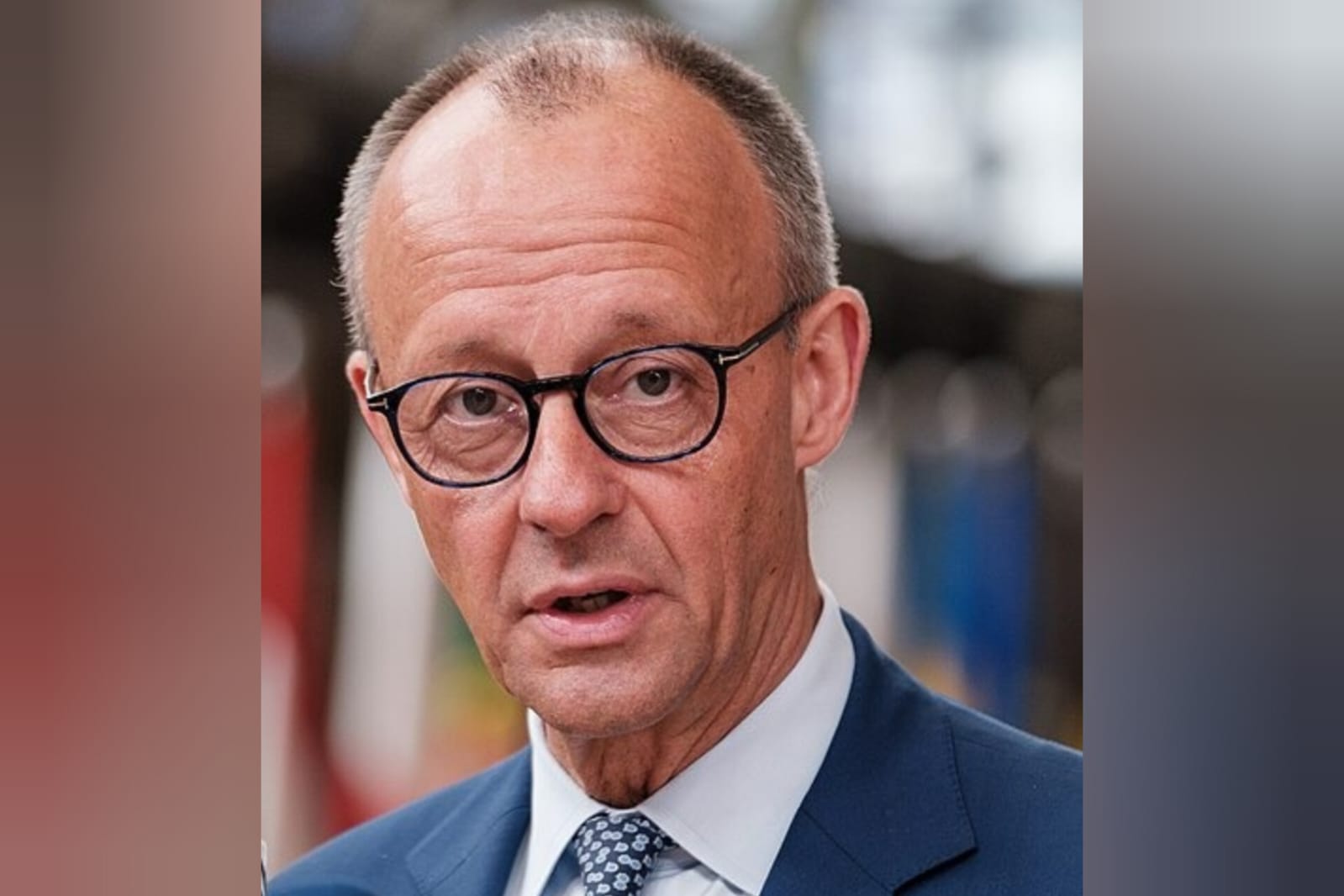
German Chancellor Friedrich Merz has stirred controversy with remarks expressing skepticism about the current state of the United States, amid ongoing tensions with former President Donald Trump over the Iran conflict. While addressing a conference of young Catholics in Würzburg, Merz, often regarded as a transatlantic advocate, questioned the US’s status as a land of opportunity. He advised against his children seeking education or employment there due to the rapidly evolving social climate. “I am a great admirer of America. At the moment my admiration is not growing,” he remarked, noting the challenges even well-educated Americans face in securing employment.
Merz’s comments have elicited strong reactions from Trump supporters. Richard Grenell, a prominent Republican foreign policy adviser and former ambassador to Germany during Trump’s first term, criticized Merz on social media, accusing him of being influenced by the “German woke media.” Grenell highlighted a perceived inconsistency in Merz’s approach, contrasting his recent remarks with a previously conciliatory meeting with Trump in March. Additionally, Alice Weidel, leader of the far-right Alternative für Deutschland party, which enjoys backing from some Trump supporters, criticized Merz for warning against US travel, suggesting it was ironic given his leadership’s trajectory for Germany.
The backdrop of these remarks includes broader tensions between the US and Europe, exacerbated by issues such as trade disputes and military aid for Ukraine. Merz has been vocal about the negative impact of US-Israeli military actions in Iran on European interests, particularly concerning the closure of the Strait of Hormuz. This has compounded the challenges he faces in attempting to revitalize Germany’s struggling economy.
Recent comments by Merz about the US being “humiliated” by Iran’s leadership have further strained relations with Trump, who responded by announcing a partial troop withdrawal from Germany and increased tariffs on EU-imported cars—a significant blow to the German economy. Despite the diplomatic friction, Merz expressed his commitment to maintaining the transatlantic relationship, though he has refrained from retracting his criticisms of Trump. He recently communicated with Trump via telephone, discussing key issues such as Iran, Ukraine, and the upcoming NATO summit in Ankara, affirming that “The US and Germany are strong partners in a strong NATO.”