
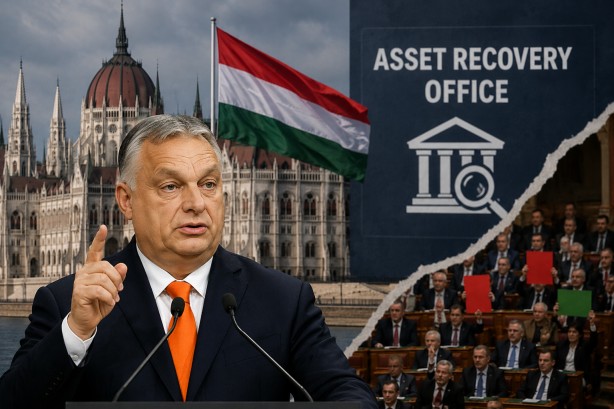
In a significant legislative move, Hungary’s Parliament has given the green light to the establishment of the National Asset Recovery and Asset Protection Office (NVVH). This newly formed entity is charged with the responsibility of probing and reclaiming public assets that have been purportedly mishandled or illicitly transferred by past administrations. The formation of the NVVH was backed by the ruling TISZA Party in collaboration with the opposition Our Homeland Movement, whereas lawmakers from the FIDESZ party stood in opposition.
The decision to form the NVVH has ignited a political discourse, with detractors voicing concerns that the office’s expansive investigative and prosecutorial powers could potentially be exploited for political ends. Critics are particularly wary of the implications such powers might have on judicial oversight and the preservation of due process. These apprehensions highlight the contentious nature of the agency’s mandate and the potential for its misuse in targeting political adversaries.
Supporters within the government assert that the NVVH represents a crucial step forward in bolstering anti-corruption measures and enhancing accountability in the handling of public funds. They argue that the establishment of such an office is a necessary move to ensure transparency and integrity in the management of state assets, aligning with broader efforts to combat corruption at various levels of governance.
However, opposition figures remain skeptical, cautioning against the potential for the NVVH’s extensive powers to be wielded in a manner that could erode legal protections and lead to politically motivated actions. This concern underscores the ongoing debate over the balance between effective governance and the safeguarding of democratic principles, as Hungary navigates the complexities of establishing robust mechanisms for asset oversight and recovery.