
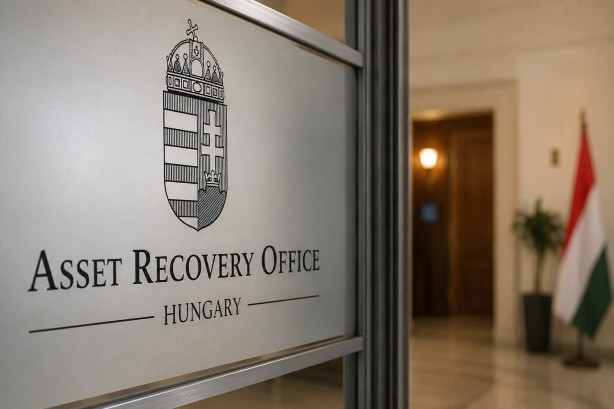
The establishment of Hungary’s National Asset Recovery and Asset Protection Office (NVVH) is under intense examination as the process of appointing its leadership advances. Currently, there are three candidates vying for the presidency of this newly proposed agency. During this selection process, civil society organizations, such as the Hungarian Civil Liberties Union, the Hungarian Helsinki Committee, and K-Monitor, are expected to contribute professional insight.
The proposed NVVH has met with skepticism and criticism from opposition members and legal experts who are concerned about the scope of its powers. Critics warn that the agency’s blend of administrative, investigative, and prosecutorial roles could result in an over-centralization of authority. This has raised alarms about potential impacts on legal safeguards and the fundamental principle of the separation of powers.
Opposition to the NVVH is also coming from within Hungary’s political arena. The ruling party, FIDESZ, is strongly against the creation of this agency. They have announced plans to challenge the legal underpinnings of the NVVH by taking the matter to Hungary’s Constitutional Court.
As the debate continues, the involvement of civil society organizations is seen as a crucial element in ensuring that the selection process for the agency’s leadership remains transparent and inclusive of various perspectives. The outcome of this process will likely have significant implications for the future of asset recovery and protection measures in Hungary.
The controversy surrounding the NVVH highlights the broader dialogue about governance, accountability, and the balance of power within Hungary’s governmental structures. As stakeholders await the Constitutional Court’s decision, the conversation about the agency’s potential impact on Hungary’s legal landscape remains a point of significant interest and concern.