
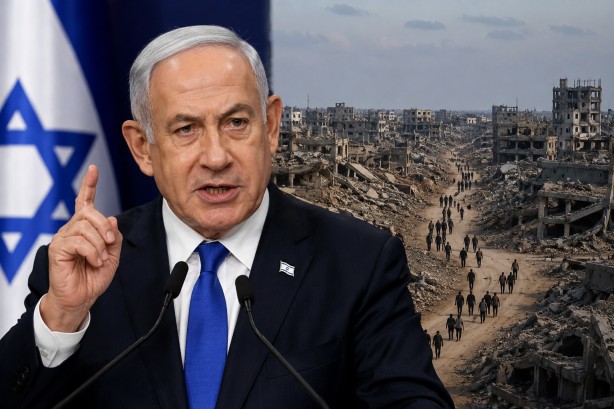
Amid ongoing conflict, Israeli Prime Minister Benjamin Netanyahu has firmly rejected proposals to withdraw Israeli forces from Gaza until Hamas is fully disarmed. This decision comes in response to a US-backed plan that proposed a military withdrawal linked to a comprehensive peace agreement. Israeli authorities, citing intelligence reports, assert that Hamas continues to recruit fighters, rebuild its military capabilities, and stockpile arms. Netanyahu’s administration insists that a premature withdrawal would enable Hamas to regain control over Gaza, posing renewed threats to Israeli security.
The US-brokered ceasefire proposal outlines several critical steps, including the surrender of Hamas’ arms, dismantling of its tunnel networks, and a phased withdrawal of Israeli troops. Additionally, the framework suggests establishing a Palestinian technocratic administration, deploying an international security force, and facilitating the reconstruction of Gaza. However, Israel remains adamant that disarming Hamas is a non-negotiable condition for any troop withdrawal.
In recent days, Israeli airstrikes have reportedly resulted in the deaths of at least 17 individuals, including children, further escalating tensions. In a separate incident, Palestinian communities held a mass funeral after more than 100 bodies were retrieved from the debris of a major Israeli airstrike in Gaza City’s Sabra neighborhood. The attack, which occurred in November 2023, has left many victims believed to be trapped under the rubble, as rescue operations continue.
The current conflict traces back to an attack by Hamas on October 7, 2023, which targeted southern Israel. This assault resulted in the deaths of approximately 1,200 people and the abduction of 251 hostages, setting off the ongoing hostilities in Gaza. The situation remains volatile as both sides grapple with the complex realities of war and the search for a sustainable resolution.