
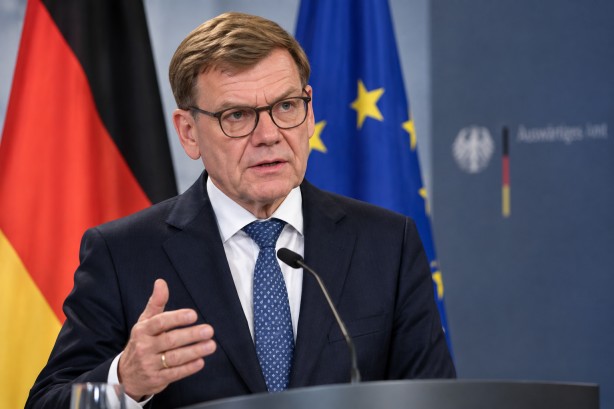
The strengthening of economic and diplomatic ties between Germany and Hungary could lead to expanded opportunities for both nations, particularly in areas such as energy diversification and economic cooperation. This development emerged following German Foreign Minister Johann Wadephul’s visit to Budapest, where he engaged in discussions with Hungarian officials to enhance bilateral relations.
During his visit, Wadephul praised Hungary’s progress on rule-of-law reforms, signaling a positive shift in diplomatic relations. The talks also addressed Hungary’s access to European Union funds and emphasized the importance of collaboration within the EU framework. A significant aspect of these discussions focused on energy policy, with Wadephul advocating for reduced dependency on Russian energy sources and a diversified energy supply across Europe, which is a critical consideration for regional security.
Economic collaboration was prominently featured in the agenda, as Wadephul, alongside Hungary’s Minister of Economy and Energy, met with representatives from major German companies operating in Hungary, including Mercedes-Benz, Siemens, Audi Hungaria, BMW, E.ON Hungária, and Magyar Telekom. The discussions aimed at bolstering economic recovery and enhancing competitiveness, with a particular focus on infrastructure, communications, the automotive sector, and Hungary’s energy strategy.
This visit marks a concerted effort by both Berlin and Budapest to reset and deepen their bilateral relations, with economic ties and European policy playing central roles. The participation of key German investors underscores the significance of Germany’s economic presence in Hungary, which both nations are eager to expand further.
Overall, the visit signifies a strategic move towards greater cooperation between the two countries, potentially paving the way for enhanced stability and prosperity in both economic and geopolitical terms. As Germany and Hungary continue to engage closely, the practical impacts of this strengthened partnership are likely to resonate across various sectors, benefiting both nations and the broader EU community.