
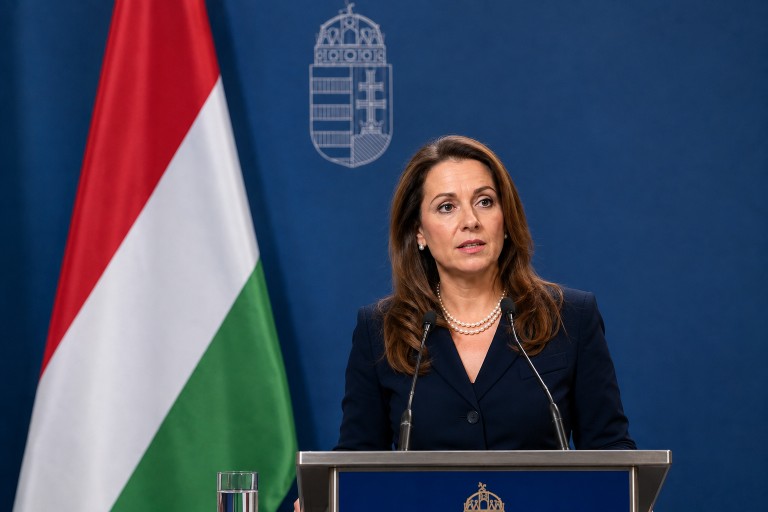
In her initial 100 days as Hungary’s Foreign Minister, Anita Orbán has encountered criticism for her approach, which some argue prioritizes image over substantive diplomatic outcomes. During this period, significant challenges arose, including an energy crisis, severe drought, and record-low water levels in the Danube. Observers have voiced concerns that the government’s response has been insufficient and have called for more robust international engagement to tackle these pressing issues.
The Foreign Ministry also came under scrutiny following the eruption of Mount Etna, which left Hungarian tourists stranded in Sicily due to flight cancellations. Critics have questioned the adequacy of support provided by Hungary’s diplomatic mission in response to this situation, suggesting that the assistance offered fell short of expectations.
In a move that has sparked further debate, the ministry has dismissed 62 ambassadors and mission chiefs in two rounds during Orbán’s tenure. Critics have warned that such significant personnel changes could disrupt the effectiveness of Hungary’s diplomatic network, potentially hindering the country’s foreign relations and international standing.
Despite these challenges, Orbán has initiated a communications campaign aimed at showcasing the ministry’s operations and diplomatic facilities. However, critics remain skeptical, arguing that the first 100 days have yielded limited tangible progress in furthering Hungary’s foreign policy goals and national interests. The emphasis on public relations, they suggest, has not translated into concrete diplomatic achievements.