
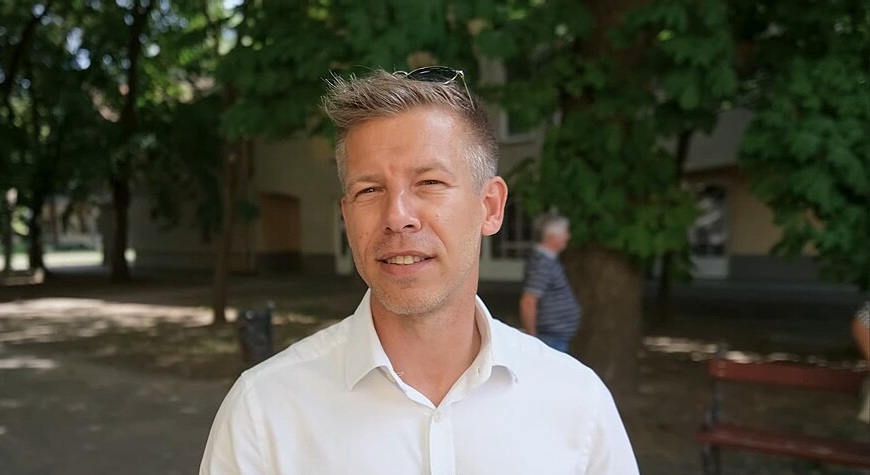
Hungary is navigating a phase of political and constitutional uncertainty following the recent electoral defeat of long-standing Prime Minister Viktor Orbán. The new Prime Minister, Péter Magyar, has taken office, aiming to implement significant reforms that could reshape the nation’s governance landscape. With Orbán’s 16-year leadership now ended, Magyar’s government intends to overhaul key state institutions, including plans to remove the current president, which it views as a step toward dismantling what they perceive as a deeply rooted system of illiberal governance.
Armed with a parliamentary supermajority, the new administration is contemplating constitutional amendments to reform structures put in place during Orbán’s tenure. Proponents of these changes argue that they are crucial for restoring democratic checks and balances and reinforcing the rule of law. However, the proposed reforms have ignited discussions among legal scholars and political commentators, who caution that leveraging a substantial parliamentary majority to modify constitutional frameworks could establish a precedent for future administrations to manipulate the rules for political gain.
The situation could escalate if Hungary’s judicial institutions decide to support the president, potentially setting the stage for a constitutional clash between the executive branch and the courts. This ongoing debate underscores a larger question for Hungary: whether these reforms signify a necessary departure from Orbán’s political legacy or if they pose risks to the country’s democratic governance and constitutional stability.
As the Magyar government pushes forward with its agenda, the results are anticipated to have a lasting impact on Hungary’s political environment and institutional architecture. This pivotal moment in Hungary’s political history will likely influence its governance and legal systems for many years to come, determining whether the nation will successfully transition away from its previous regime’s policies or face new challenges in maintaining democratic integrity.