
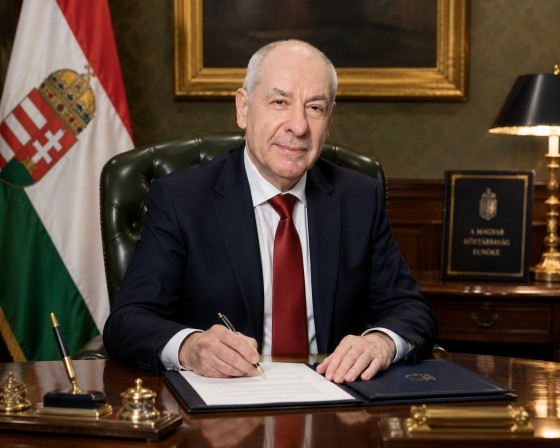
In a recent podcast, former Hungarian President János Áder voiced strong opposition to the proposed removal of President Tamás Sulyok, labeling it a “constitutional coup” that threatens to disrupt Hungary’s constitutional framework. Áder emphasized that political disagreements should not serve as a basis for legal action against a sitting president. He pointed out that, according to Hungary’s constitution, the removal of a president requires an impeachment process. This process mandates a two-thirds parliamentary majority and necessitates evidence of constitutional or legal infractions.
The controversy centers around the proposed 17th amendment to Hungary’s Fundamental Law, which stipulates that President Sulyok must vacate his position immediately upon the amendment’s enactment. Áder criticized this move, arguing that it circumvents the established impeachment procedures and constitutes unconstitutional retroactive legislation. He further contended that accusations against Sulyok, which suggest he inadequately addressed certain political controversies, are rooted in political criticism rather than substantive legal violations warranting removal from office.
Áder expressed concern that bypassing the formal impeachment process through a constitutional amendment would not only erode the presidency’s legitimacy but also weaken the country’s rule of law. He underscored that the constitutional framework provides clear guidelines for presidential removal, and any deviation from these norms could have detrimental effects on the nation’s governance.
Furthermore, Áder cautioned that any successor appointed under the proposed amendment’s conditions would likely encounter challenges regarding their constitutional legitimacy and their capacity to embody national unity. He argued that such a scenario would raise serious questions about the new president’s authority and their ability to effectively represent the interests of the Hungarian people.