
As NATO prepares to announce an ambitious five percent of GDP defense spending target, Spain’s commitment to only 2.1 percent for its core defense needs highlights a significant shortfall and the challenges ahead. The nation has already secured an exclusion from the full five percent, and President Donald Trump is pushing for the US to also be exempt, creating a complex picture for the alliance’s unified financial commitment.
The proposed five percent target is bifurcated: 3.5 percent for pure defense spending, a substantial increase from the current two percent minimum, and an additional 1.5 percent for critical infrastructure improvements, cyber defense, and societal preparedness. Spain’s stated goal of 2.1 percent for core defense, while an increase for them, still falls considerably short of the 3.5 percent required, demonstrating the vast gap many nations will need to bridge.
Prime Minister Pedro Sánchez confirmed Spain’s exemption, indicating that the final NATO communique would no longer mandate the target for “all allies.” This move could set a precedent for other financially constrained members, like Italy and Canada, to seek similar concessions. Trump’s persistent calls for allies to increase their contributions, coupled with his labeling of Canada as a “low payer,” further underscore the internal pressures surrounding equitable burden-sharing.
The driving force behind this intensified focus on defense spending is the shared concern among European leaders about Russia’s aggressive actions in Ukraine and its broader implications for regional security. NATO experts have indicated that robust defense against a potential Russian attack requires investments of at least three percent of GDP. While a 2032 deadline has been floated for achieving the five percent target, the feasibility and enforcement of this timeline remain subjects of ongoing negotiation.
Spain’s 2.1% Pledge Falls Short of NATO’s New 5% Defense Target
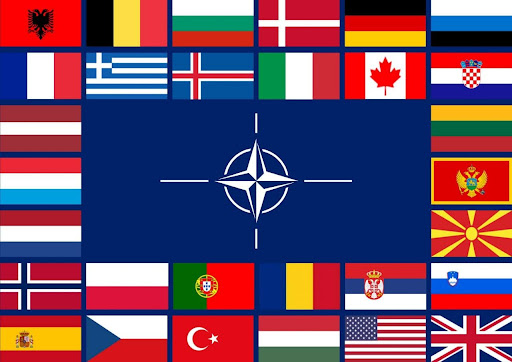
Picture credit: www.goodfon.com
51