
The ongoing hostilities between Israel and Iran have unexpectedly taken center stage at the G7 summit in Canada, overshadowing the planned agenda of global economic and security issues. European leaders are pressing the US President for clarity on his strategy to address the escalating conflict and his seemingly optimistic outlook for “peace soon.”
The severity of the situation, marked by increasing military exchanges and a rising death toll, has prompted European nations to demand concrete answers from the US. A key question is whether the US President will use his influence to secure a ceasefire or allow the conflict to run its course, particularly given Jerusalem’s stated aim to dismantle Iran’s nuclear and security infrastructure.
The recent cancellation of US-Iran talks on Tehran’s civil nuclear program underscores the immediate diplomatic fallout of the renewed violence. A major sticking point in any future negotiations remains the US demand for Iran to abandon domestic uranium enrichment, a position that has consistently stalled progress.
Despite efforts by the summit host to shift focus to other topics like critical minerals and artificial intelligence, the Middle East crisis remains the dominant concern. European leaders, drawing lessons from past attempts to influence US policy in Ukraine, are searching for a coherent de-escalation plan for the Israel-Iran conflict, finding current US messages contradictory.
Middle East Crisis Steals Spotlight at G7, Leaders Seek Trump’s Hand on Iran
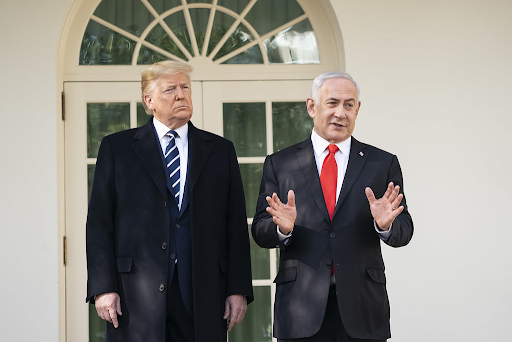
Picture credit: www.flickr.com
52