
A recent Israeli military strike in Qatar has triggered a wave of regional condemnation, raising questions about Israel’s potential for growing isolation, even among its newfound Arab partners. An emergency Arab-Islamic summit in Doha is the latest and most powerful manifestation of this backlash, uniting dozens of nations against the Netanyahu government’s actions.
The attack has managed to alienate a wide spectrum of regional actors. The United Arab Emirates, the flagship of the Abraham Accords, has publicly dressed down an Israeli envoy and labeled Prime Minister Benjamin Netanyahu’s rhetoric “hostile.” This signals a significant setback for Israel’s efforts to integrate into the region’s diplomatic and security fabric.
Furthermore, the disapproval from the United States, Israel’s most crucial ally, adds another layer to its isolation. President Donald Trump’s criticism of the strike as counterproductive to U.S. goals suggests that Netanyahu’s aggressive posture is causing friction even with his strongest supporters.
As the summit in Doha prepares to issue a formal resolution condemning the attack, Israel finds itself in a defensive crouch. The very policy of normalization, designed to end its historic isolation, is being undermined by military actions that antagonize the exact partners it seeks to cultivate. The long-term diplomatic cost of the Doha strike may prove to be exceptionally high.
Israel’s Growing Isolation? Regional Condemnation Mounts After Qatar Attack
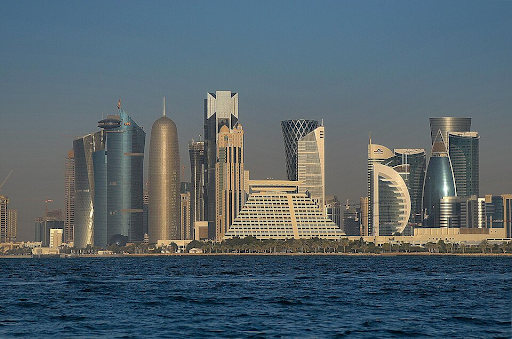
Picture Credit: commons.wikimedia.org
33