
President Emmanuel Macron of France has taken the significant step of acknowledging his country’s responsibility for violent colonial-era repression in Cameroon, yet stopped short of offering a formal apology or reparations. In correspondence with Cameroonian President Paul Biya, Macron accepted the findings of a joint commission that detailed a brutal, decades-long conflict.
The historical commission’s report paints a grim picture of the period from 1945 to 1971. It confirms that French colonial forces perpetrated violent repression and continued to support a repressive regime even after Cameroon’s independence. The estimated death toll runs into the tens of thousands, with nationalist leader Ruben Um Nyobè among the most high-profile victims of this state-sponsored violence.
Macron’s admission is the latest in a series of strategic moves to address France’s colonial past, likely spurred by changing dynamics in Francophone Africa. His government has previously initiated the return of cultural artifacts to Benin and opened discussions with Niger over a colonial massacre, though these gestures have also been criticized for not going far enough.
For many Cameroonians and observers, the acknowledgment is a welcome but insufficient first step. Blick Bassy, a musician and commission co-head, emphasized the need for national mourning and proper burials for those who died fighting for the nation. He also stressed the importance of educating the French public about this history to ensure it is fully understood and accepted.
Acknowledgment, Not Apology: France Admits Colonial Crimes in Cameroon
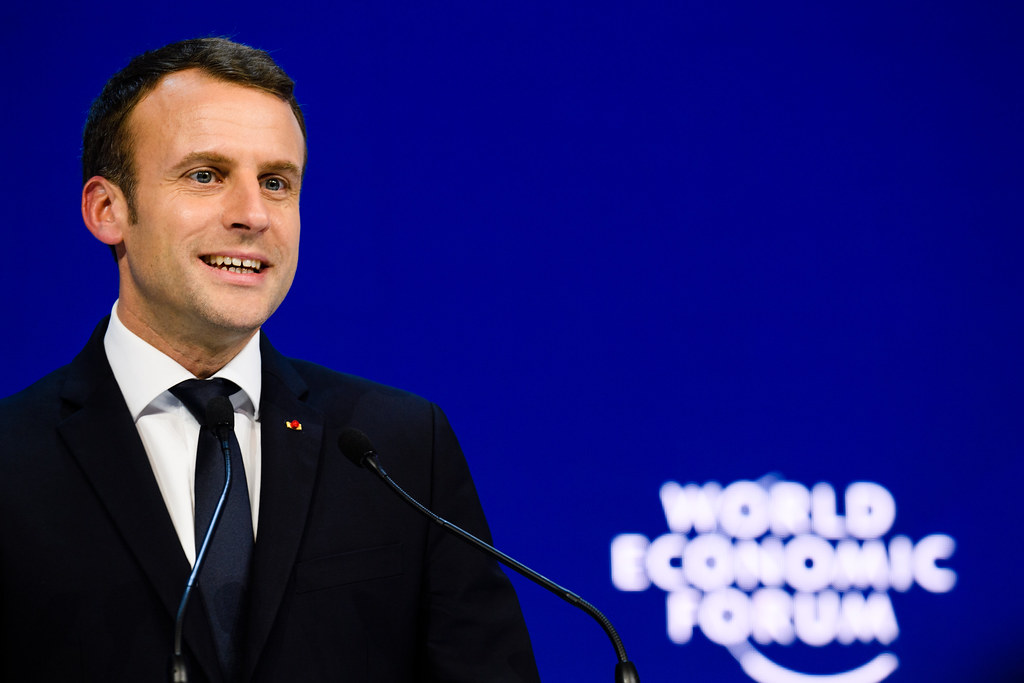
Picture Credit: www.flickr.com
47