
The legal rationale propping up Donald Trump’s global tariff regime has collapsed. A U.S. appeals court ruled that his administration had no legal right to use the International Emergency Economic Powers Act (IEEPA) to impose duties on nearly every country, a decision that could force a rollback of his signature policy.
In its majority opinion, the court stated that the IEEPA’s purpose was to empower the president against genuine national security threats, such as freezing terrorist assets. The judges found that applying this powerful law to address a persistent trade deficit was a distortion of congressional intent and an unauthorized expansion of executive power.
This ruling threatens to unravel the network of informal trade deals that were central to Trump’s foreign policy. Nations agreed to these terms—often involving painful concessions—to escape the tariffs. With the tariffs now declared illegal, the underlying basis for these deals has been undermined.
The former president’s vow to appeal to the Supreme Court sets the stage for a landmark case on the separation of powers. The high court will be asked to define the boundaries of a president’s emergency authority, a decision that will have lasting implications for U.S. trade policy and the balance of power in Washington.
Trump’s Legal Rationale for Global Tariffs Collapses in Court
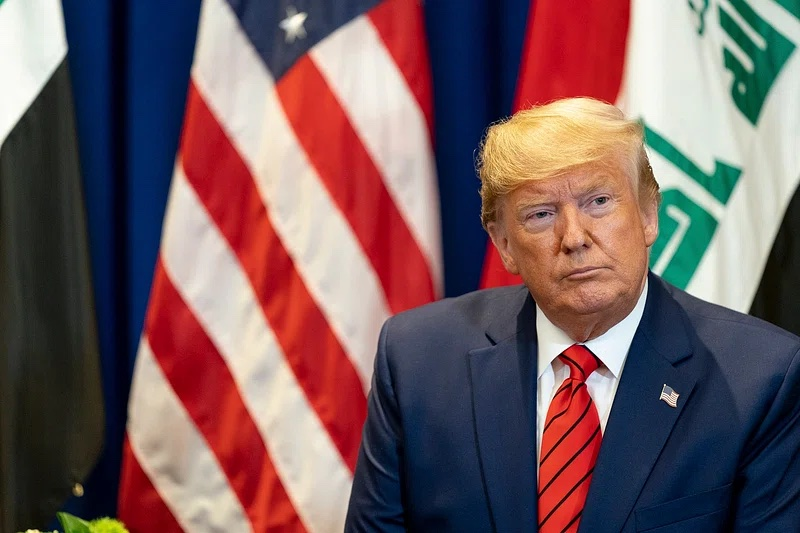
Picture Credit: www.rawpixel.com
36