
Donald Trump has leveled a harsh threat at South Korea, promising to impose 25% tariffs on major exports unless Seoul’s parliament ratifies a trade agreement from 2024. The president’s announcement specifically targeted automobiles, lumber, and pharmaceutical products.
The trade framework in question was celebrated as a breakthrough when finalized between Trump and South Korean President Lee Jae Myung in October 2024. However, disputes about the legal status and implementation requirements have left the deal in limbo within South Korea’s political system.
South Korea’s government maintains that the agreement was structured as a memorandum of understanding not requiring legislative approval, though this interpretation is being reconsidered under pressure. Both ruling and opposition parties now commit to expediting relevant legislation.
The automotive sector faces the most significant exposure to potential tariff increases, accounting for more than a quarter of South Korean exports to the United States. Market reaction included immediate stock price declines for Korean carmakers, though losses were partially recovered.
This tariff threat fits within Trump’s broader pattern of using trade policy as diplomatic leverage in his second term. International economics experts warn that the unpredictability of such announcements undermines business confidence and creates unnecessary market volatility.
Trump Levels Harsh 25% Tariff Threat at South Korea Over Trade Deal Stalemate
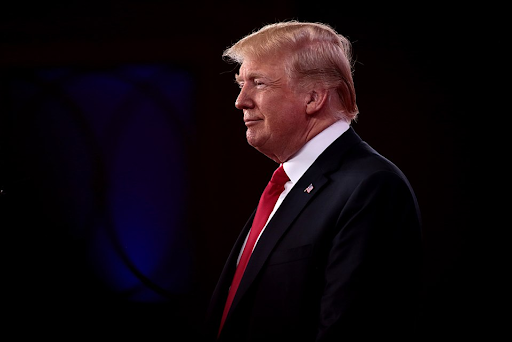
Photo by Gage Skidmore from Peoria, AZ, United States of America, via wikimedia commons
30